Turkey’s New “Marine Parks” Cut Off Kastellorizo
Turkey has officially declared two marine protected areas, one in the Northern Aegean and one in the Eastern Mediterranean, and Greek analysts are warning this has nothing to do with environmental protection.
Konstantinos Filis, director of the Institute of International Affairs, told Skai that the move is a "very negative development" that could rapidly deteriorate Greek-Turkish relations. He argues the parks are a direct extension of Turkey's "Blue Homeland" doctrine, an attempt to assert jurisdiction over waters Greece considers part of its undeclared continental shelf, without any prior coordination with Athens.
"If Turkish vessels are deployed to block fishing or transit in these international waters, that is a blatant violation of international law" — Syrighos
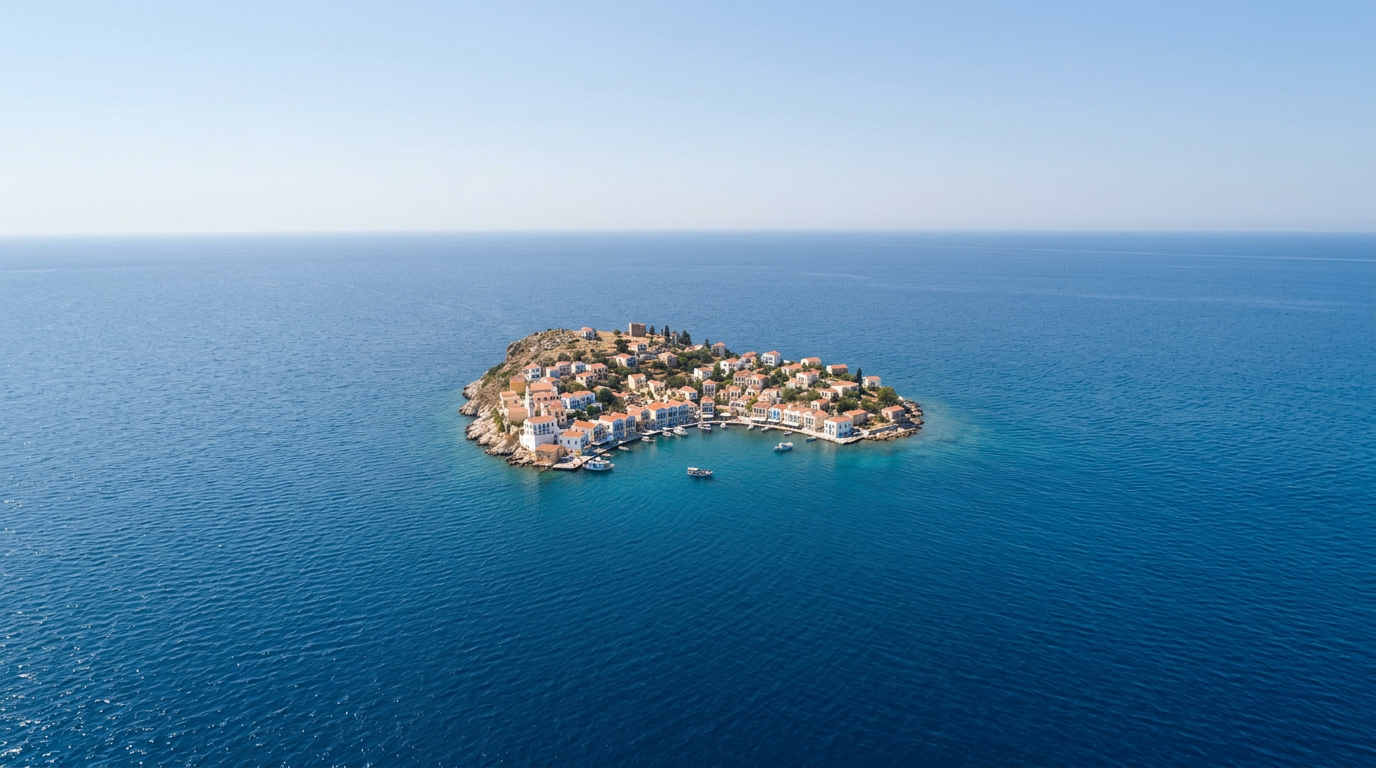
The geography matters. In the Northern Aegean, the Turkish park covers international waters between Lemnos and Samothrace, potentially restricting communication between the two islands and closing off the Gulf of Xiros. In the Eastern Mediterranean, the park extends east of Rhodes all the way to Kastellorizo, essentially surrounding the island and cutting it off from the rest of the Greek island chain.
Filis points out the legal contradiction: under international law, a state can unilaterally declare marine parks only within its own territorial waters. Any protected area extending into international waters requires agreement with neighboring states. Turkey sought no such agreement.
International law professor Angelos Syrighos breaks the situation into three stages. Turkey announced its intent on August 2, 2025, weeks after Greece established its own parks near Amorgos, within Greek territorial waters. The official declaration is now complete. The critical third stage, according to Syrighos, is whether Turkey actually tries to enforce these parks at sea.
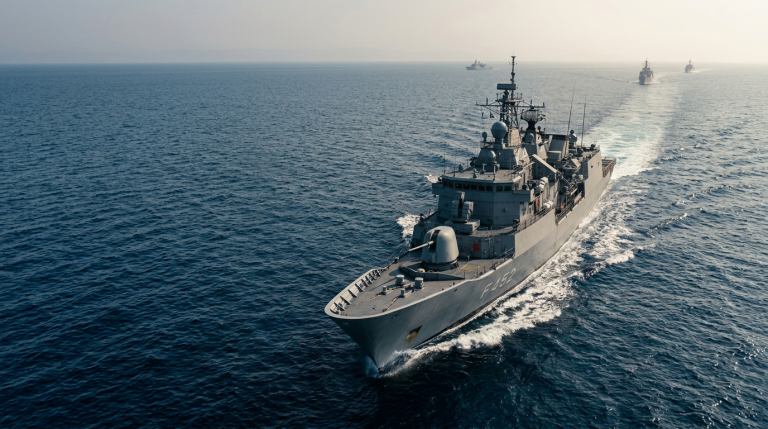
If Turkish coast guard or naval vessels are deployed to block fishing or transit in these international waters, Syrighos calls that a "blatant violation of international law." He also notes that Greece has historically chosen not to declare an Exclusive Economic Zone in the Aegean, partly to reduce friction, since Turkish fishing vessels have long operated in those waters. That restraint now appears to be colliding directly with Ankara's escalating claims.
Both analysts agree on one point: Turkey believes its strategic power advantage over Greece gives it room to act unilaterally. The real question is whether Ankara moves from declaration to enforcement.