Turkey Builds Islamic Center Next to Halki Seminary
Turkey is responding to the reopening of the Halki Theological Seminary with a major construction project right next door. The country's Directorate of Religious Affairs, known as Diyanet, has announced plans to build a 200,000 square meter Islamic Education Center on the island of Heybeliada, the same island where the Orthodox seminary sits about 20 kilometers off the coast of Istanbul.
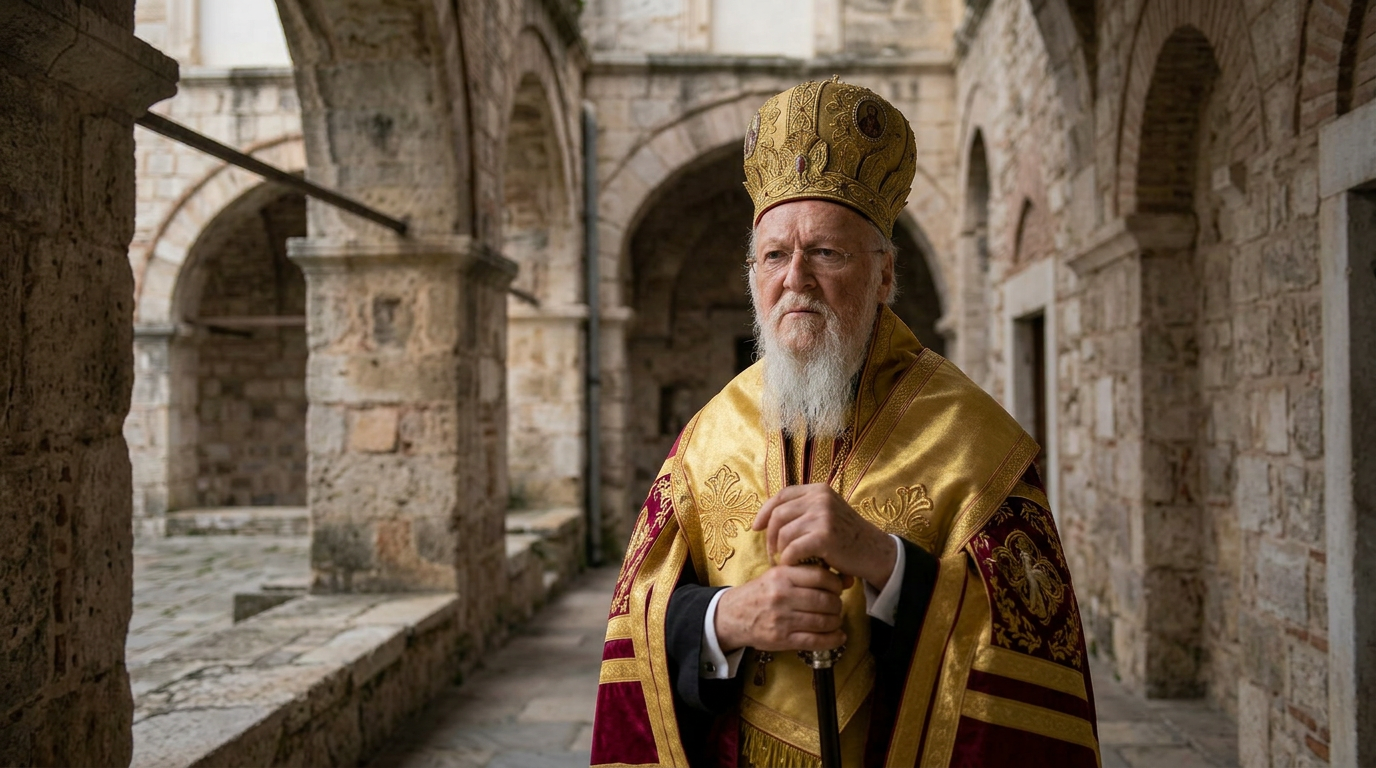
The Halki Seminary, founded in 1844 on the grounds of a 9th-century monastery, is set to reopen this coming September after being effectively closed since 1971. That year, Ankara imposed a law requiring it to operate under a Turkish university, a condition the Ecumenical Patriarchate rejected outright. Patriarch Bartholomew had been clear about why, saying that a Muslim dean cannot be appointed to the school and Muslim students cannot be admitted to an Orthodox theological institution. Out of its 181-year history, the seminary was unable to operate for 59 of those years.
Diyanet recently secured ownership of the former Halki Sanatorium through a series of court proceedings. The sanatorium, built in 1924, was once the country's largest tuberculosis treatment facility and was converted into a COVID hospital in 2020. Most residents of the island now expect that large red-brick building in the middle of the forest to become an Islamist academic center.
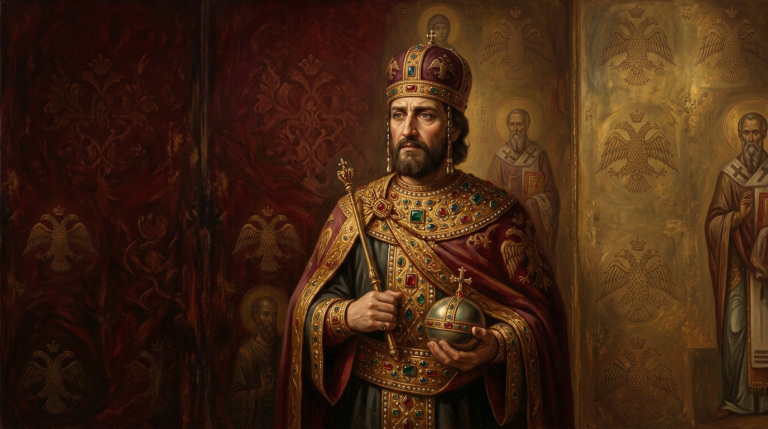
Islamist factions aligned with President Erdogan have already framed the move as a direct response, arguing that if Orthodox clergy get their own theological schools, they will build their own independent Islamic universities in return. Ankara has also long resisted formally recognizing the Ecumenical title that Patriarchs of Constantinople have held since 586 AD, when it was granted by the Roman Emperor Maurice, and officials fear the seminary's reopening will strengthen that claim internationally.
Turkish architect Korhan Gumus, who studies the island, warned that old tensions between the two communities are resurfacing and creating a serious political problem. He said the state treats Orthodox citizens as foreign agents, calling that characterization false.