Greece Passes Law Giving NGO Members Who Aid Smugglers 10 Years in Prison
Greece's parliament passed a law earlier this year significantly stiffening criminal penalties for registered NGO members convicted of migrant smuggling offences. Law 5275/2026, published in the Government Gazette on 6 February 2026, amends the Migration Code to treat NGO membership as an aggravating circumstance in certain migration-related crimes.
Under the updated code, facilitating the unauthorized entry into or exit from Greece of a third-country national can carry a minimum 10-year prison sentence and a fine of at least 50,000 euros when the person convicted is a member of a registered NGO. Other migration offences, including facilitating illegal residence or obstructing police investigations, can also attract substantially harsher penalties under the same aggravating logic.
"If you do not vote for these provisions, you are not with the Coast Guard; you are with the smugglers." — Migration Minister Plevris
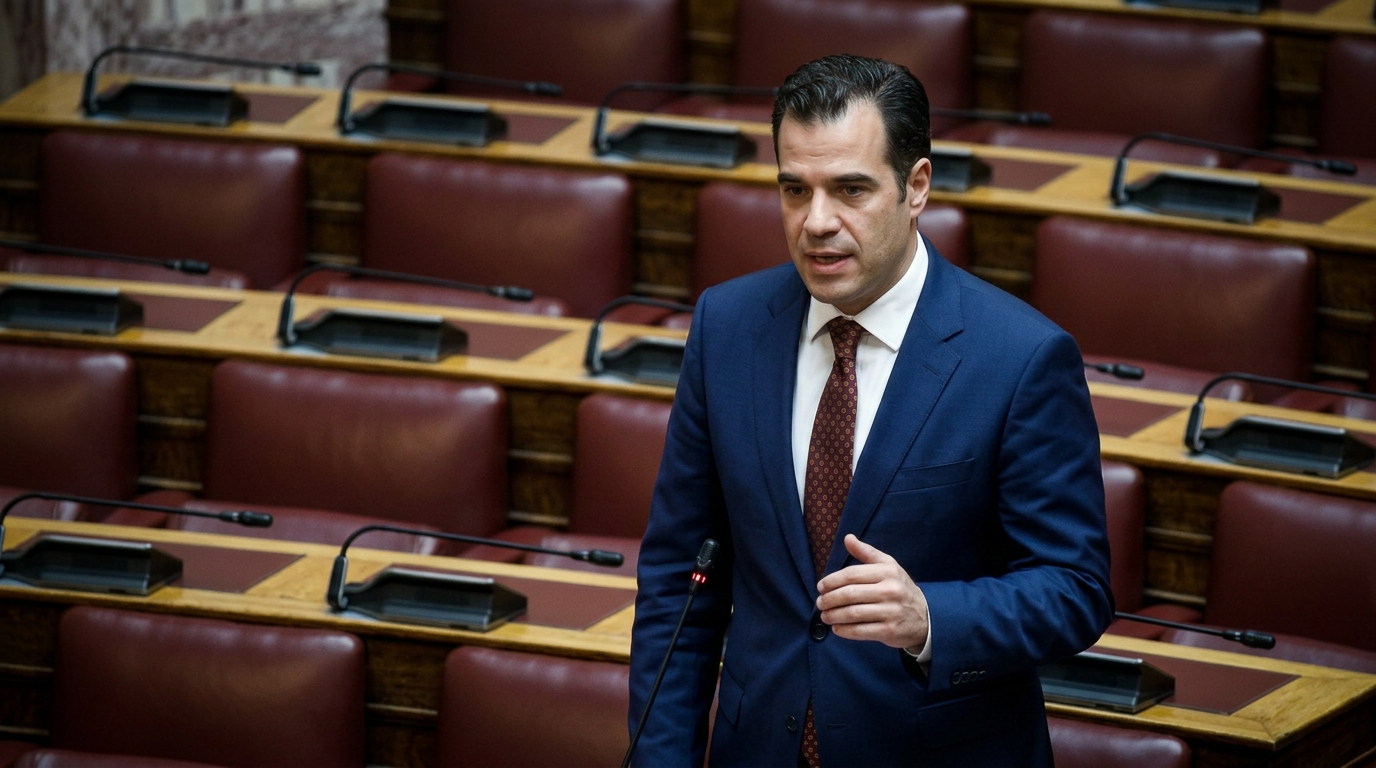
Migration and Asylum Minister Thanos Plevris made the government's position blunt during the parliamentary debate on 4 February. According to Kathimerini and SKAI, he told opposition lawmakers: "If you do not vote for these provisions, then, forgive me, you are not with the Coast Guard; you are with the smugglers." Plevris insisted the law does not criminalize NGO membership itself, but targets those who participate in smuggling while operating under the cover of a registered humanitarian organization.
The minister also took aim at what he described as the growing professionalization of the humanitarian sector, arguing that NGOs receiving public funds should face stricter oversight and transparent contracting arrangements. Supporters of the law say it gives authorities stronger tools to break up smuggling networks that may exploit NGO structures.
Human rights organizations have pushed back, arguing the provisions could deter legitimate humanitarian workers from assisting migrants and refugees at the borders, where NGO support often fills gaps left by the state.