Germany Sends Migrants Back to Greece as Libya Route Hits 600 in 48 Hours
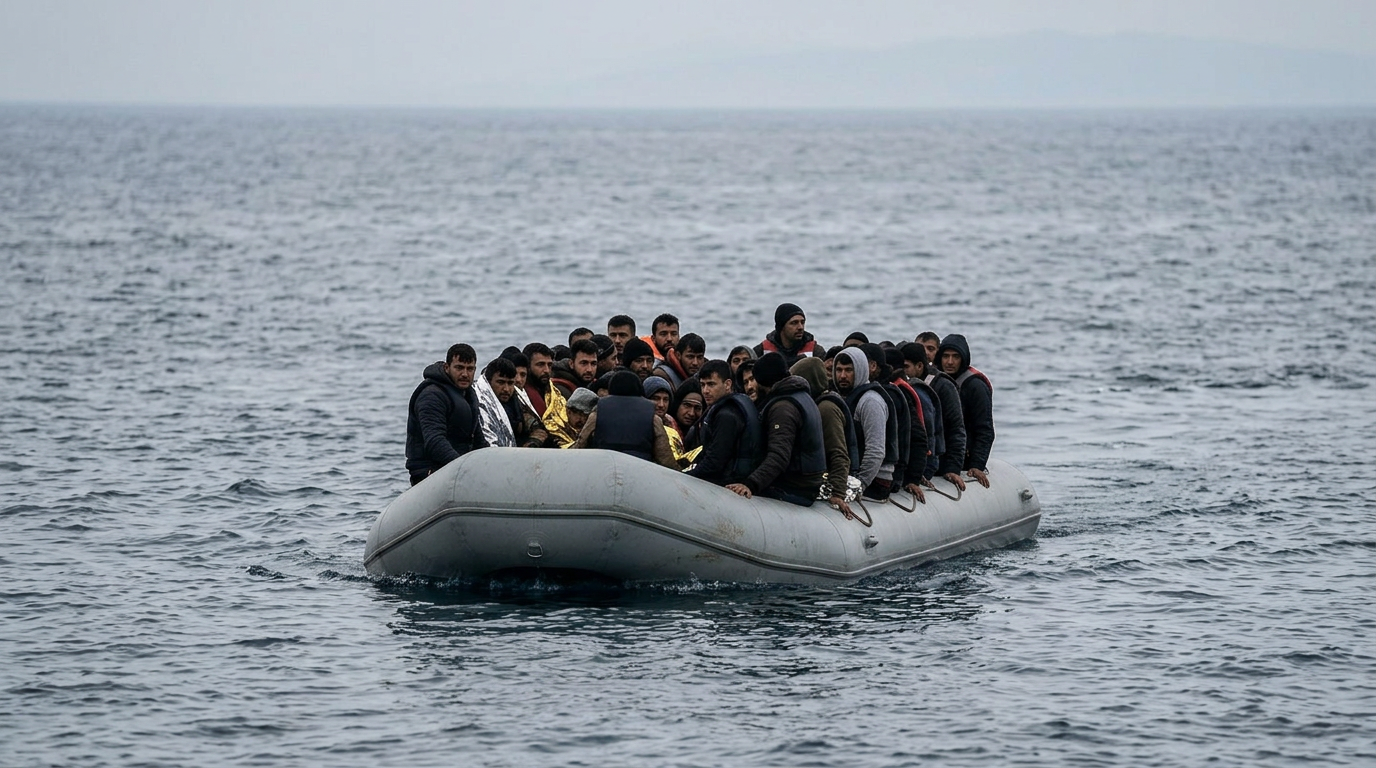
Greece is being squeezed from both directions on migration. Germany is preparing to send tens of thousands of migrants back to Greece as their country of first entry, while the Libya-to-Crete sea route logged over 600 new arrivals in just the last 48 hours, according to Greek political reporting outlet Pontiki.
The new EU Pact on Migration and Asylum takes effect on June 12, shifting Europe's approach from reception to management, detention, and returns. Behind the scenes, figures of up to 100,000 returnees from Germany to Greece have been circulating in diplomatic circles, though Berlin has not confirmed any official number. The political signal is clear regardless: central Europe no longer wants to carry the burden it accepted during the 2015 migration crisis.
Crete is being spared that designation, a fact observers call politically convenient rather than logistically driven.
In 2025, roughly 20,000 migrants and refugees arrived on Crete and the small island of Gavdos via the Libya corridor. In March 2026 alone, more than 900 people arrived in a single 48-hour window on Gavdos and southern Crete.
Arrivals are landing on Crete, but Greek and European authorities have reportedly decided the processing burden will be shifted to Kos and Leros, which already have existing reception infrastructure from the Eastern Aegean crisis years. Crete, the home island of both Prime Minister Mitsotakis and the leader of the main opposition party, is being spared that designation, a fact observers call politically convenient rather than logistically driven.
Kos in particular raises serious concerns. The island is small, heavily dependent on tourism, and already has an existing Muslim minority community. Local observers warn that expanding a major migration processing center there could destabilize a fragile social balance.
Greece risks being locked into the role of permanent holding ground for Europe, receiving pressure from the south through the Libya corridor and from the north through German returns, while EU solidarity remains largely rhetorical.