Before the Genocide, the Ottoman Empire Made Christians Second-Class Subjects
Centuries before the Pontian Genocide, the Ottoman Empire had built an entire legal system designed to keep Christian subjects permanently beneath Muslim citizens. Under Ottoman law, non-Muslims were classified as "dhimmis," a status that meant paying crushing taxes, being barred from public office, and living under the constant threat of local governors who could oppress them as they saw fit.
Professor Konstantinos Fotiadis, a scholar of modern Greek history, documents in his 14-volume work on Genocide evidence that even the poorest, most destitute Muslim citizen held a legally higher position than any Greek Christian, regardless of social class. Greeks were routinely subjected to humiliation designed to remind them, as Fotiadis describes, that they were "children of an inferior God."
Pressure from outside the empire eventually forced some reforms. The 1774 Treaty of Kuchuk-Kainarji between Russia and the Ottoman Empire granted Christians the first fragments of religious freedom since the fall of Constantinople in 1453, including the right to worship and some protection for the Church. The 1812 Treaty of Bucharest added limited rights for Christians to emigrate and manage property in Russian-controlled territories.
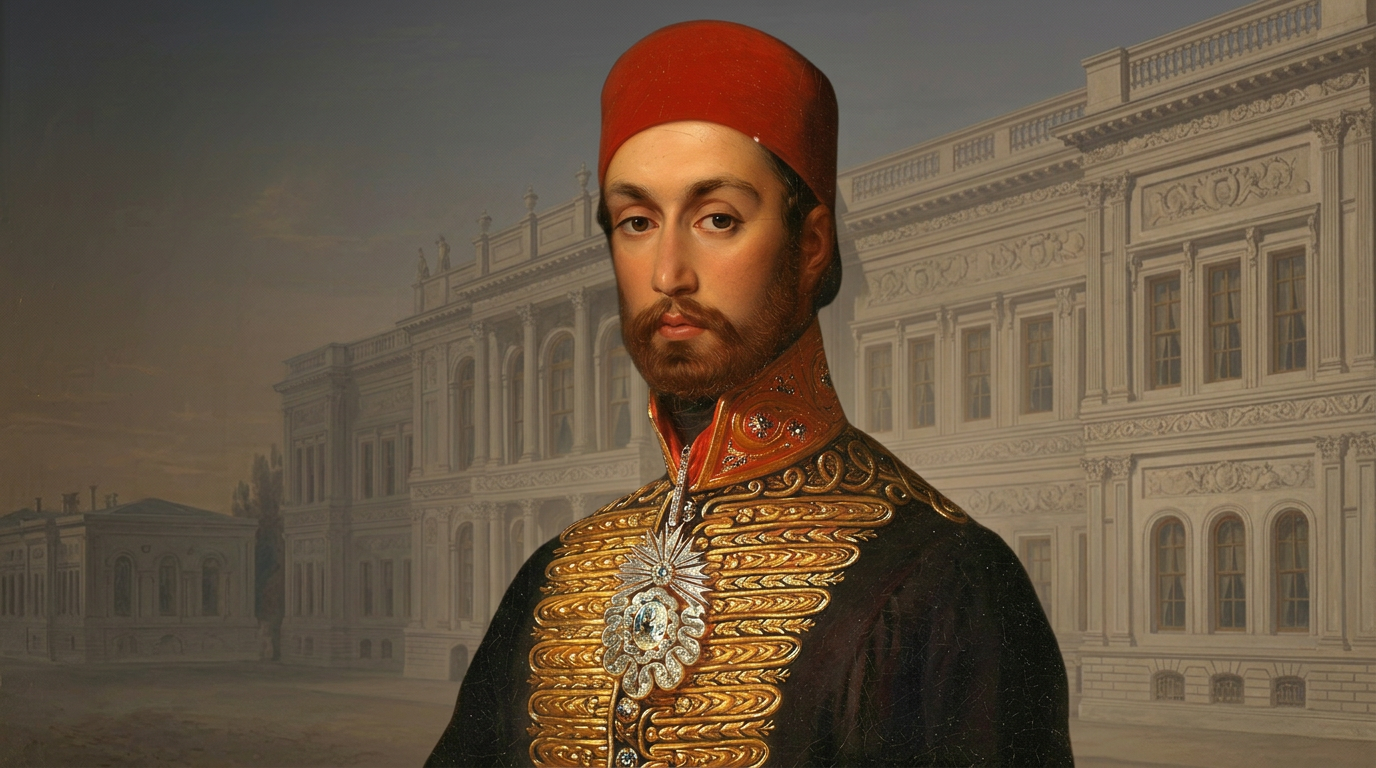
The most significant reform came in 1856, when Sultan Abdulmejid I issued the Hatt-i Humayun under pressure from the major European powers. The decree formally declared all Ottoman subjects equal regardless of religion, allowed Christians to hold public office, build churches, and establish schools, and let them buy their way out of military service. Greek Pontians used these openings to found four banks, dozens of schools for boys and girls, and community institutions that had previously been closed to them.
But scholars are clear that the reforms changed little beyond Pontic Greek communities where the law was actually enforced. Across most of the empire, local governors ran their territories by their own rules, and violence against Christians continued, confirmed by records from the Greek Foreign Ministry archives. The gap between what was signed into law and what happened in provincial towns remained vast, and the systematic dehumanization of Christian minorities continued building toward what would later become genocide.