Turkey: “We Condemn Greece’s Decision to Close Minority Schools”
Turkey's Foreign Ministry is accusing Greece of violating the Treaty of Lausanne, after Greece suspended operations at eight minority elementary schools in Western Thrace citing insufficient student enrollment.
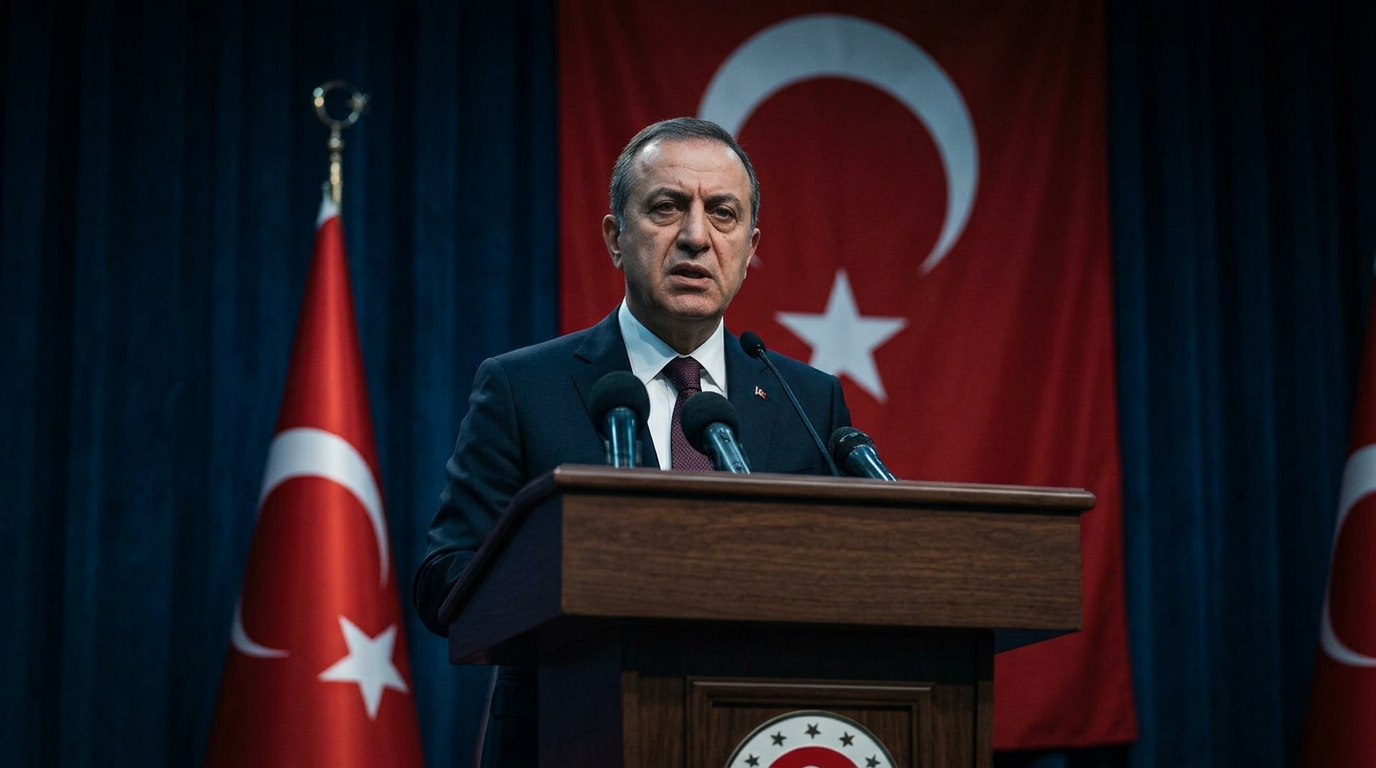
Spokesperson Oncu Keceli released a statement condemning the closures, saying the total number of minority elementary schools in the region has now dropped to 76. He also called out what he described as new obstacles placed on first-grade enrollments at the 1st Turkish Minority Elementary School in Xanthi, calling it part of a systematic effort to gradually weaken the educational rights of the minority community there.
"Turkey will continue to 'decisively support' the minority's fight for its rights and legal interests" — Keceli said.
Turkey has long referred to this group as the "Turkish Minority" of Western Thrace, a designation Greece firmly rejects. Greece recognizes a Muslim minority in the region under the terms of the 1923 Treaty of Lausanne, not an ethnically Turkish one. The distinction is central to a decades-long dispute between the two countries.
Keceli called on Greece to comply with its treaty obligations and cited what he said were unimplemented rulings from international courts. He added that Turkey will continue to "decisively support" the minority's fight for its rights and legal interests.
Greece has consistently maintained that the school suspensions are administrative decisions based purely on low enrollment numbers, and that it fully respects its obligations under the Lausanne treaty. Athens has repeatedly rejected Ankara's framing of the minority as ethnically Turkish, viewing it as an attempt to project influence over Greek sovereign territory.
The statement is the latest in a long pattern of Turkish Foreign Ministry provocations over Western Thrace, a region in northeastern Greece bordering Turkey and Bulgaria.