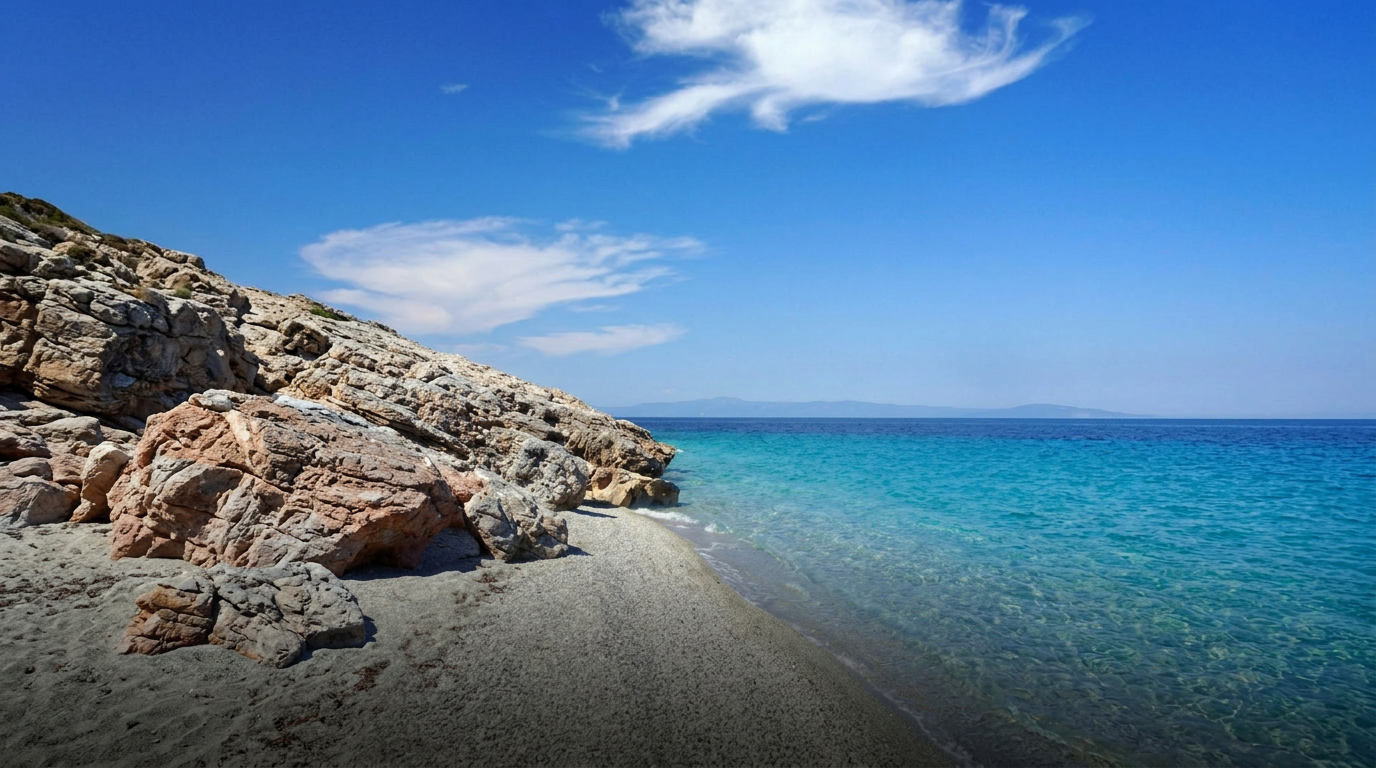
Greece has expanded its list of protected "untrodden beaches" to 251 sites, banning commercial activity and concessions from some of the country's most ecologically sensitive coastline.
The ministries of National Economy and Finance and Environment and Energy signed a joint ministerial decision on April 24, adding 13 new beaches to the existing framework. The total protected count rose from 238 to 251.
Under the updated rules, beaches on the list face strict restrictions against any activity that could alter their natural characteristics or disrupt local ecosystems. Many of the sites fall within the Natura 2000 network, the EU's framework for protecting biodiversity across member states.
The "untrodden beaches," known in Greek as Apatites Paralies, were first designated under Greek Law No. 5092/2024, which governs the use of public coastal areas. The expansion builds on that foundation by pulling in additional sites of high ecological and natural value.
The measure covers protections for native flora and fauna, sensitive habitats, and the broader biodiversity found along Greece's coastline. No commercial concessions of any kind are permitted on listed beaches.
Greece's environment ministry described the move as part of a wider policy to protect vulnerable coastal zones and promote sustainable management of natural resources. The full updated list of protected beaches is available through the Greek government.